
Your Cart is Empty
Get 10% off 6 still wines. Enter code SAVE10 during checkout. Excludes some fine wine and Sparkling.
Get 10% off 6 still wines. Enter code SAVE10 during checkout. Excludes some fine wine and Sparkling.


Wine Guides
The oldest way of making wine is also the one people find hardest to place. Here is what actually happens in the tank, and eight bottles from our shelves that show how far the style can stretch.
Orange wine is the most misunderstood category in the shop, largely because of its name. There are no oranges involved, and it is not a blend of red and white. It is simply white wine made the way red wine has always been made: instead of pressing the juice off the grapes and fermenting it clean, the skins are left in.
That single decision changes everything. It is also, historically speaking, the norm rather than the exception. Fermenting on skins is what winemakers did for several thousand years before temperature control and pneumatic presses made pale, aromatic whites possible. In Georgia, where wine has been made in buried clay qvevri for around 8,000 years, the practice never stopped.
Grape skins carry the compounds that juice does not: tannins, colour pigments, flavonols and a range of aromatic precursors. Leave the juice in contact with them and all of it is drawn out into the wine.
The colour comes first, moving from straw to gold to burnished amber depending on how long the skins stay in and how ripe they were. Then comes the texture. Tannin in a white wine is unexpected the first time you meet it: a faint drying grip at the back of the palate, closer to strong tea than to a young Bordeaux, but unmistakably there. It gives the wine a shape and a finish that most whites simply do not have.
There is a practical consequence too. Those same phenolic compounds are natural antioxidants, so a skin contact wine is far more resistant to oxidation than a conventional white. That is why so many of these wines are made with very little added sulphur, and why the category overlaps so heavily with natural and low-intervention winemaking. It is cause and effect rather than fashion.
One clarification worth making: orange wine is not rosé. Rosé is red grapes given a short time on skins. Orange wine is white grapes given a long one. The two arrive at similar colours by opposite routes.
This is the part most guides skip. "Orange wine" describes a technique, not a flavour, and the range within it is enormous. A few days on skins gives you a white wine with a little more grip and body, something most drinkers would not identify as orange at all. Several months gives you a deeply amber, tannic, savoury wine that behaves like a red at the table.
Vessel matters as much as time. Clay, whether Georgian qvevri, Sicilian amphora or Spanish tinaja, is porous, so it allows a slow, gentle exchange of oxygen that softens tannin and builds complexity. Stainless steel keeps things bright and primary. Old oak sits somewhere between the two.
So rather than ask whether you like orange wine, it is more useful to ask where on the spectrum you want to sit. Here are eight bottles from our collection, arranged from the gentlest end to the most emphatic.
Short maceration, aromatic fruit still in the driving seat. If you have been curious but nervous, start here.
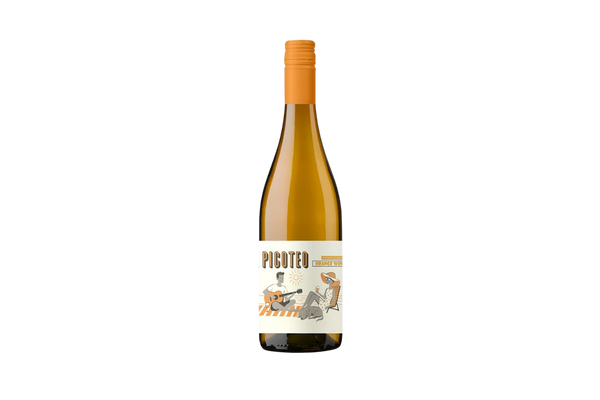
Spain · Almansa
Airén, Macabeo · 11.5%
The gateway bottle, and remarkable value. Golden straw rather than deep amber, with grapefruit, quince and a floral lift, and just enough phenolic weight to give the palate some body and a faintly bitter, appetising finish. Night-harvested to keep the aromatics fresh. Nobody at the table will find this challenging.
View now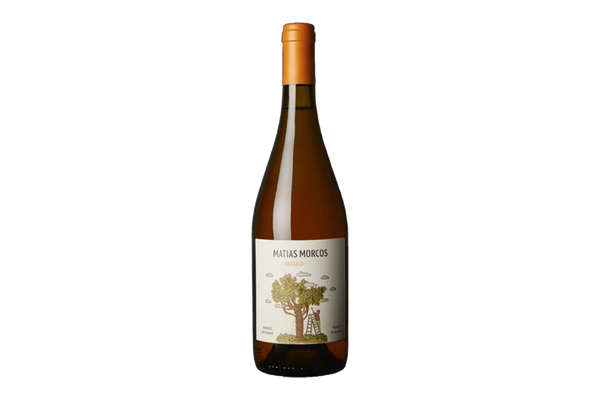
Argentina · East Mendoza
Moscatel Rosado · 12%
Proof that skin contact does not have to mean amber. The rare pink-skinned Moscatel Rosado gives a glowing rose-pink wine, with candied orange peel, runny honey and exotic flowers on the nose and a dry, medium-bodied palate of dried citrus and raisin. Matias Morcos is restoring his family's century-old winery in East Mendoza, a region long written off as bulk country.
View nowFermented in terracotta rather than steel or oak. The vessel breathes, and the wines carry a particular savoury depth as a result.
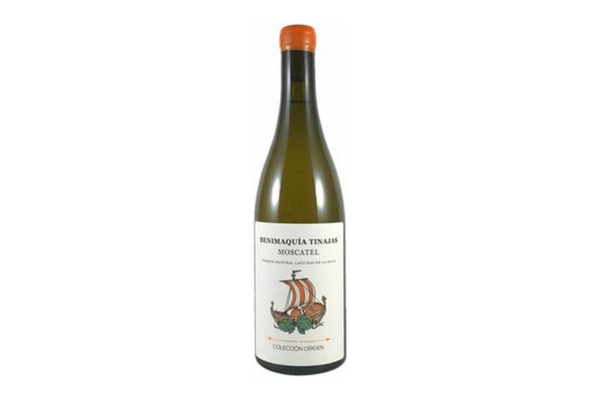
Spain · Alicante
Muscat · 13%
Made in traditional clay tinajas a short distance from the Mediterranean, and it tastes like it. Flame-hued, with all the seductive perfume of Muscat but none of the sweetness, wrapped around a saline, spice-crusted grip. Lemon zest, quince, peach and orange peel. Organic principles, minimal intervention, and only a handful of bottles at a time.
View now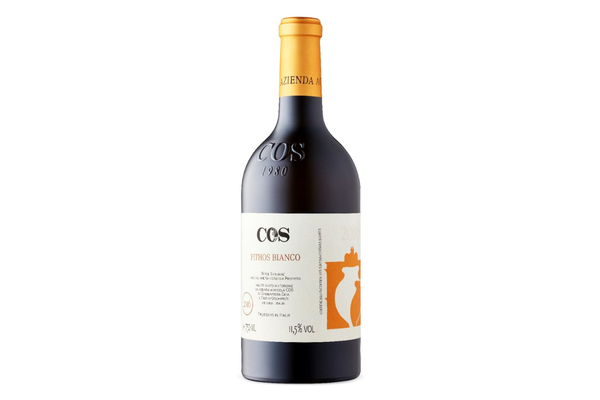
Italy · Sicily
Grecanico · 11.5% · Biodynamic
If you want to understand what amphora ageing does to a wine, this is the reference bottle. Eight months on skins in clay, and the result is genuinely amber: supple and round in the mouth yet grippy at the same time, spicy and herbal, with lemon oil and fennel underneath. COS have been working this way at the south-eastern tip of Sicily since 1980, long before anyone called it a movement.
View nowMonths on skins rather than days. Deep colour, real tannin, and a savoury complexity that puts these firmly at the dinner table.
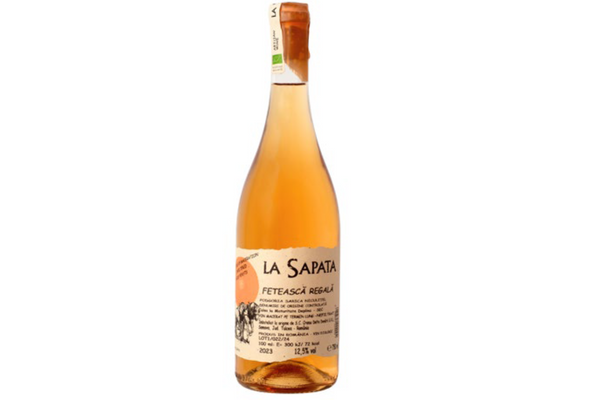
Romania · Danube Delta
Fetească Regală · 13% · Organic
The most off-piste bottle here, and one of the most rewarding. Six months on skins and bottled unfiltered, giving a deep orange-amber colour and considerably more structure than the grape would ordinarily suggest. Apricot, peach, lychee and bergamot on the nose, then soft tannin and ripe fruit on a long, balanced finish. Romania's indigenous white variety, working far outside its comfort zone.
View now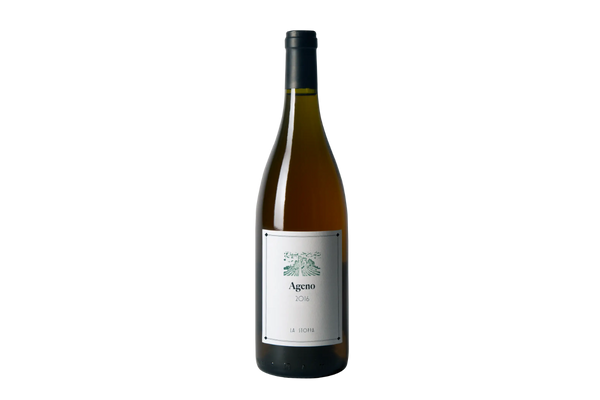
Italy · Emilia
Malvasia, Ortrugo, Trebbiano · 12.5%
The benchmark, and the bottle that converted a generation of sommeliers. An intense, restless nose of preserved fruit, caramelised cedar, walnut and spice, then bitter orange zest, black tea, medicinal herbs and something resinous and balsamic. Elegant despite all that, with a density and depth of flavour you rarely find in a skin contact wine. If you only ever try one, make it this.
View nowThe serious, quietly built end of the category, where skin contact is used as one tool among several rather than the whole point.
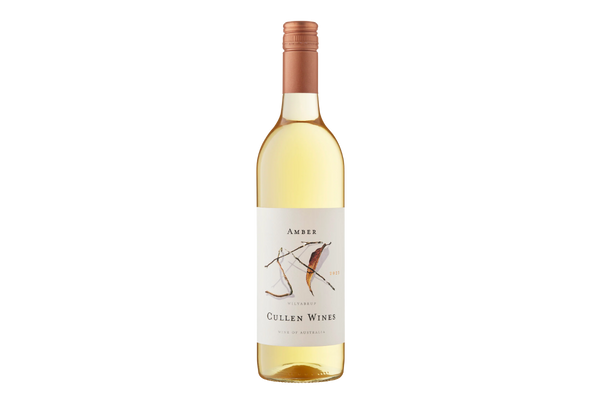
Australia · Margaret River
Sauvignon Blanc, Sémillon · 13%
Margaret River's classic white blend, fermented on its skins. Cullen's stated aim is to make a white wine like a red, and the result is complex and concentrated rather than wild: lemon, kumquat, orange blossom and a touch of honey over a properly textured palate. A useful bottle for anyone who finds the natural wine end of the category too loud.
View now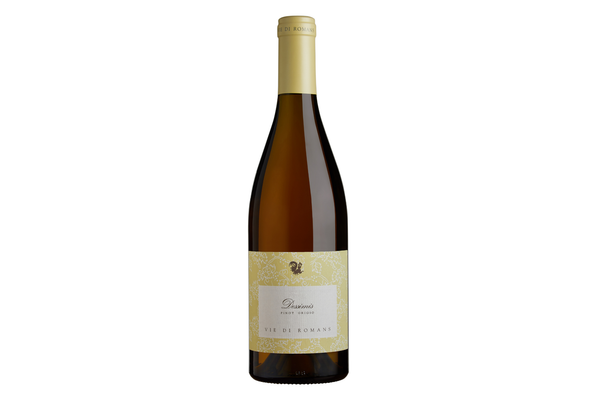
Italy · Friuli Isonzo
Pinot Grigio · 14.5%
Friuli is where the modern skin contact revival began in the 1990s, and this is its most polished expression. Pinot Grigio's grey-pink skins give the wine a faint copper glow, the Italian ramato tradition, and nine months on lees builds a rich, structured, almost pastry-scented wine with Williams pear skin and yellow fruit. Extraordinary length. A serious bottle, and the one to open for a sceptic.
View nowServe it cool, not cold. Around 12 to 14°C is the sweet spot. Fridge temperature mutes the aromatics and makes the tannin taste harsher than it is. Twenty minutes out of the fridge, or half an hour in it from room temperature, will get you there.
Use a proper glass. These wines have the aromatic complexity of a red, so give them the volume of one. A small white wine glass will strangle them.
Decant the bigger ones. Anything at the long maceration end benefits from air. Ageno in particular opens up over an hour and keeps improving over two or three days in the fridge once opened.
Expect some sediment. Many of these are unfiltered and unfined. A little haze or deposit is a sign of how the wine was made, not a fault.
This is where orange wine earns its keep. The combination of tannin, texture and savoury depth means it handles the food that defeats most whites and most reds alike.
Fragrant, spiced cooking is the obvious home: Keralan and Sri Lankan curries, Sichuan, Ethiopian, North African tagines. Fermented and pickled things work brilliantly, so kimchi, miso, aged cheeses and cured meats all sit comfortably alongside. So does anything with a bitter or umami edge, from artichokes to roasted brassicas to mushrooms. Iberico ham, tartiflette and a good hard sheep's cheese are all natural partners.
It is also the single most useful bottle to have open when a table is eating several different things at once, which is a rarer quality than it sounds.
More skin contact wines currently on the shelves:
Shop the collection
Every bottle here is made with white grapes on their skins.
Browse all orange wineWebsite by Pale Blue Dot


